How Technology Changes Farm Operations
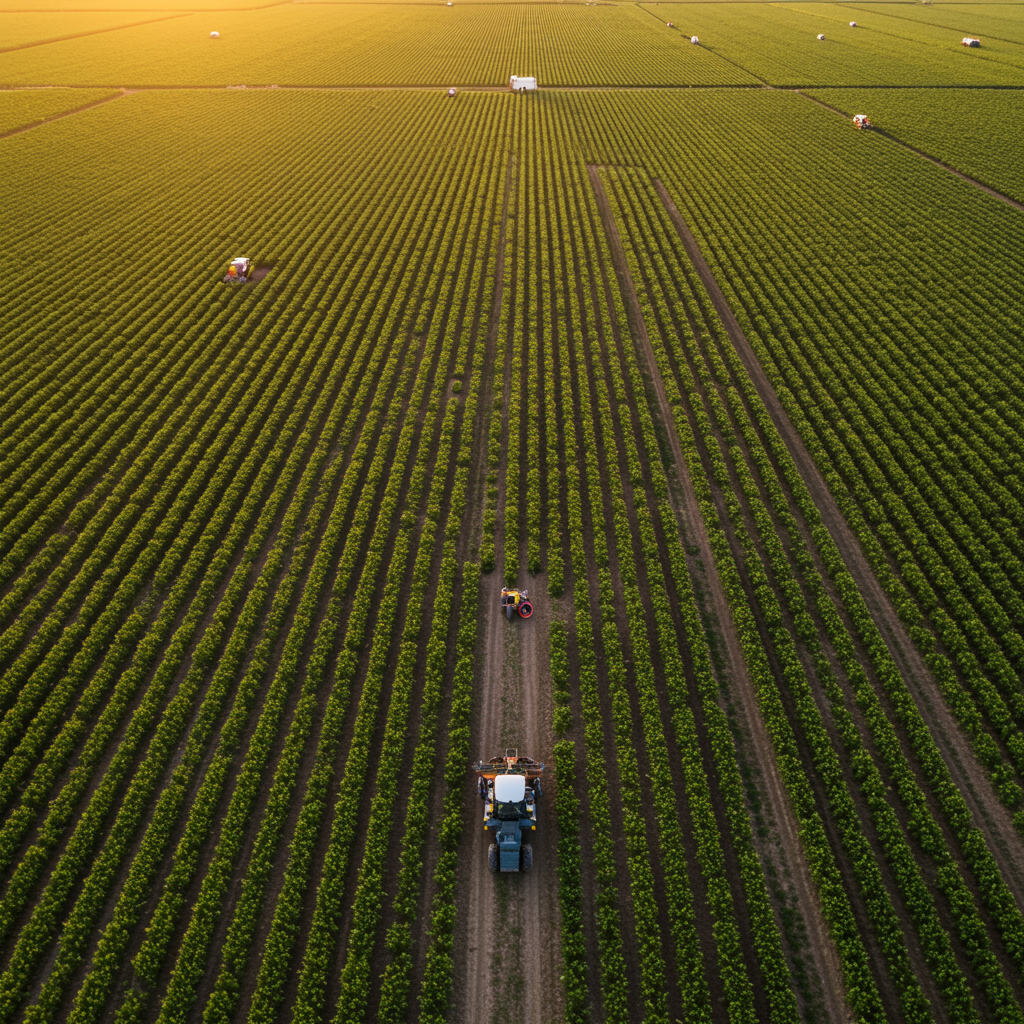
Drones fly over fields to capture detailed crop health data. Farmers analyze these images to spot early signs of disease or drought. This rapid response saves entire harvests from ruin.
Automated sensors track soil moisture levels around the clock. The software alerts farm managers when specific field zones need immediate watering. You conserve water while giving plants exactly what they require.
Genetic research creates crop varieties that resist extreme weather. Scientists develop seeds that require fewer chemicals to thrive. These advancements help agriculture adapt to shifting climate conditions.
Sustainability In Large Scale Operations
Heavy farming takes a toll on the environment. Modern operators now adopt conservation techniques to protect natural resources. They understand that healthy land guarantees future profits.
Cover crops keep the soil intact during the off-season. Roots hold the dirt in place and stop wind erosion. They also pull nitrogen from the air and push it into the ground.
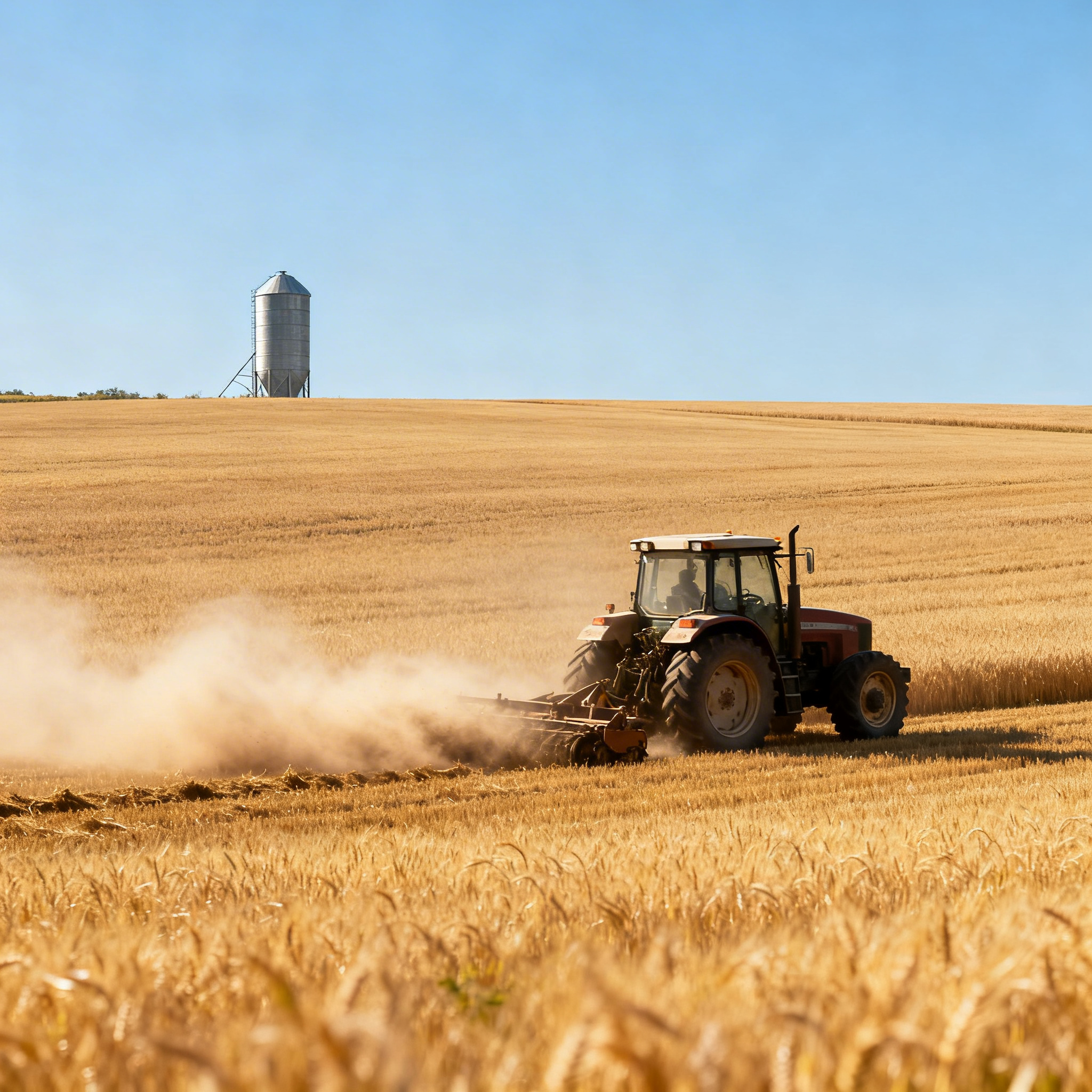
Reduced tillage practices preserve the natural structure of the earth. Tractors leave previous crop residue on the surface instead of plowing it under. This method traps moisture and feeds beneficial earthworms.
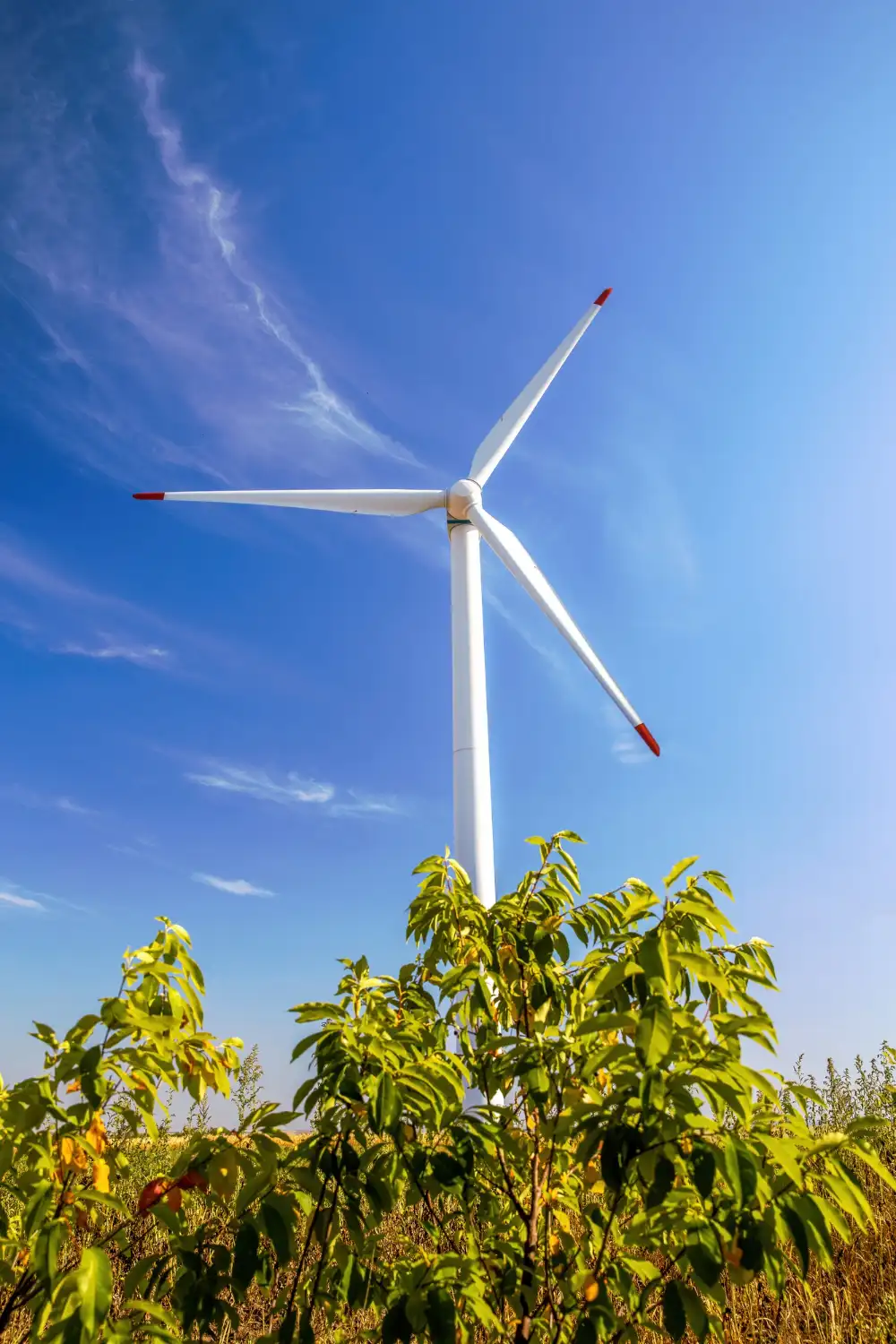
Farms install solar panels and wind turbines to generate their own power. Renewable energy slashes operating costs over time. It also reduces the carbon footprint of food production.
The Future Of Global Food Production
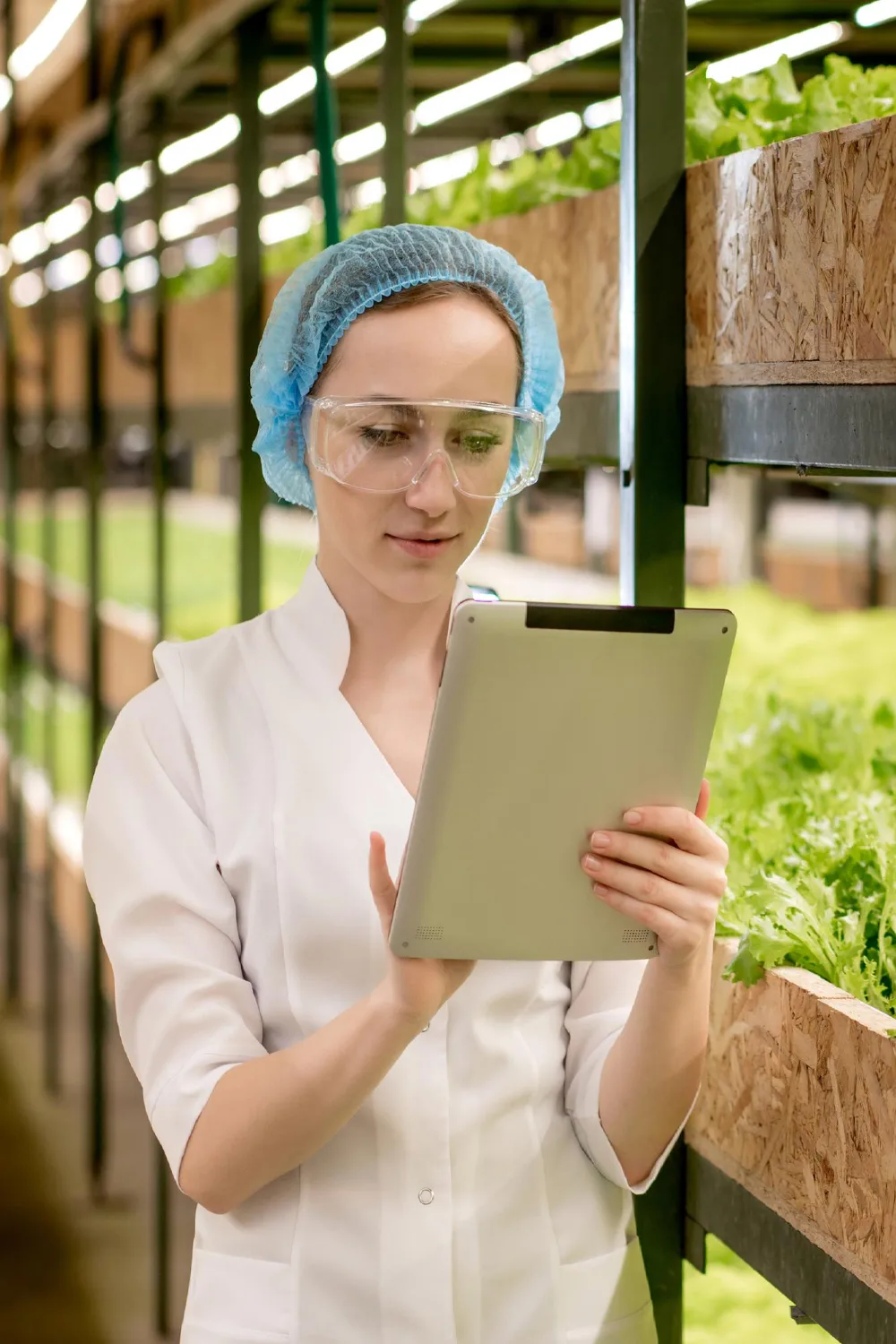
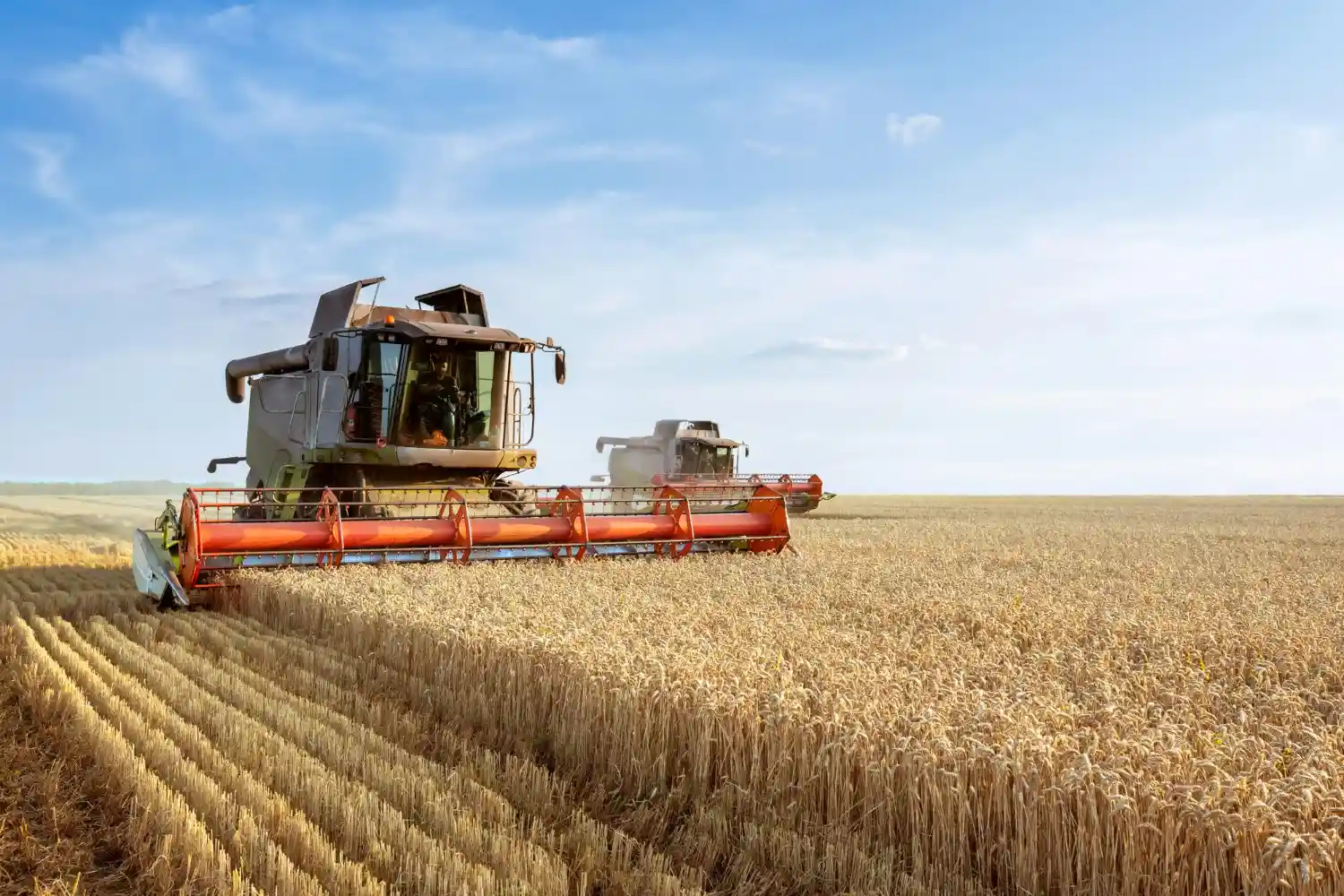
Agricultural pioneers constantly test new methods to feed a growing population. Vertical indoor farms and robot harvesters represent the next step in farming evolution. We will continue tracking these innovations as they hit the market.
News & Articles
Students use essay services like Studyfy to obtain well-prepared assignments that meet institutional standards and deadlines.